


In a multi-tenant building, shared spaces often shape a visitor’s first impression before they ever reach an individual office or suite. In Dickinson, where commercial properties serve employees, customers, vendors, and residents moving between the Houston and Galveston areas, lobbies, elevators, and restrooms can see steady traffic throughout the day.
Keeping those common areas clean requires more than an occasional wipe-down. A practical cleaning plan should account for traffic patterns, high-touch surfaces, restroom use, flooring, humidity, and the different expectations of multiple tenants sharing one property.
Quick answer: Shared lobbies, elevators, and restrooms should be cleaned according to how frequently they are used, with special attention given to high-touch surfaces, visible soil, floors, fixtures, and restocking needs. Multi-tenant properties in Dickinson may also need to account for Gulf Coast humidity, wet-weather tracking, and frequent traffic from nearby commercial corridors. A consistent schedule helps prevent small cleanliness problems from becoming noticeable building-wide issues.
What local property managers should know
-
High-touch surfaces such as elevator buttons, door handles, railings, counters, and restroom fixtures often need attention more frequently than low-contact surfaces.
-
Gulf Coast humidity can make moisture control, restroom upkeep, and floor care especially important for Dickinson-area buildings.
-
Entrances near busy routes such as Interstate 45, FM 517, and Highway 3 can collect tracked-in soil and moisture as people enter throughout the day.
-
Cleaning frequency should reflect actual building occupancy and traffic rather than relying on the same schedule for every property.
-
Shared-space cleaning works best when responsibilities, inspection standards, supply levels, and service timing are clearly defined.
Why Shared-Space Cleaning Matters in Dickinson
Shared-space cleaning matters in Dickinson because common areas concentrate traffic, moisture, dirt, and daily contact in a relatively small portion of a building. A clean lobby, elevator, or restroom can support a more professional environment, while neglected common areas can affect every tenant even when individual offices are well maintained.
Dickinson sits in Galveston County along Interstate 45 between Houston and Galveston, with Dickinson Bayou running through the community. The City of Dickinson also identifies commercial activity within the city and along major transportation corridors. Those local conditions can create buildings with employees, customers, contractors, and visitors arriving from several nearby communities.
For multi-tenant buildings, that movement means shared spaces may require a different cleaning strategy from private suites. The Maincor Group understands that common-area cleaning must support the building as a whole. From here, we focus on matching cleaning tasks to the way people actually use each space.
Local Data and Field Considerations
Local building conditions suggest that traffic patterns and Gulf Coast moisture deserve special consideration when planning common-area cleaning. Dickinson is positioned between League City, Texas City, Alvin, and Bacliff, while Interstate 45 and FM 517 connect local commercial areas with surrounding communities.
For a property manager, the practical lesson is simple: cleaning schedules should reflect building conditions rather than a generic checklist. An office property with light appointment traffic may have different needs from a medical, retail, professional-services, or mixed-use building with visitors continually entering shared areas.
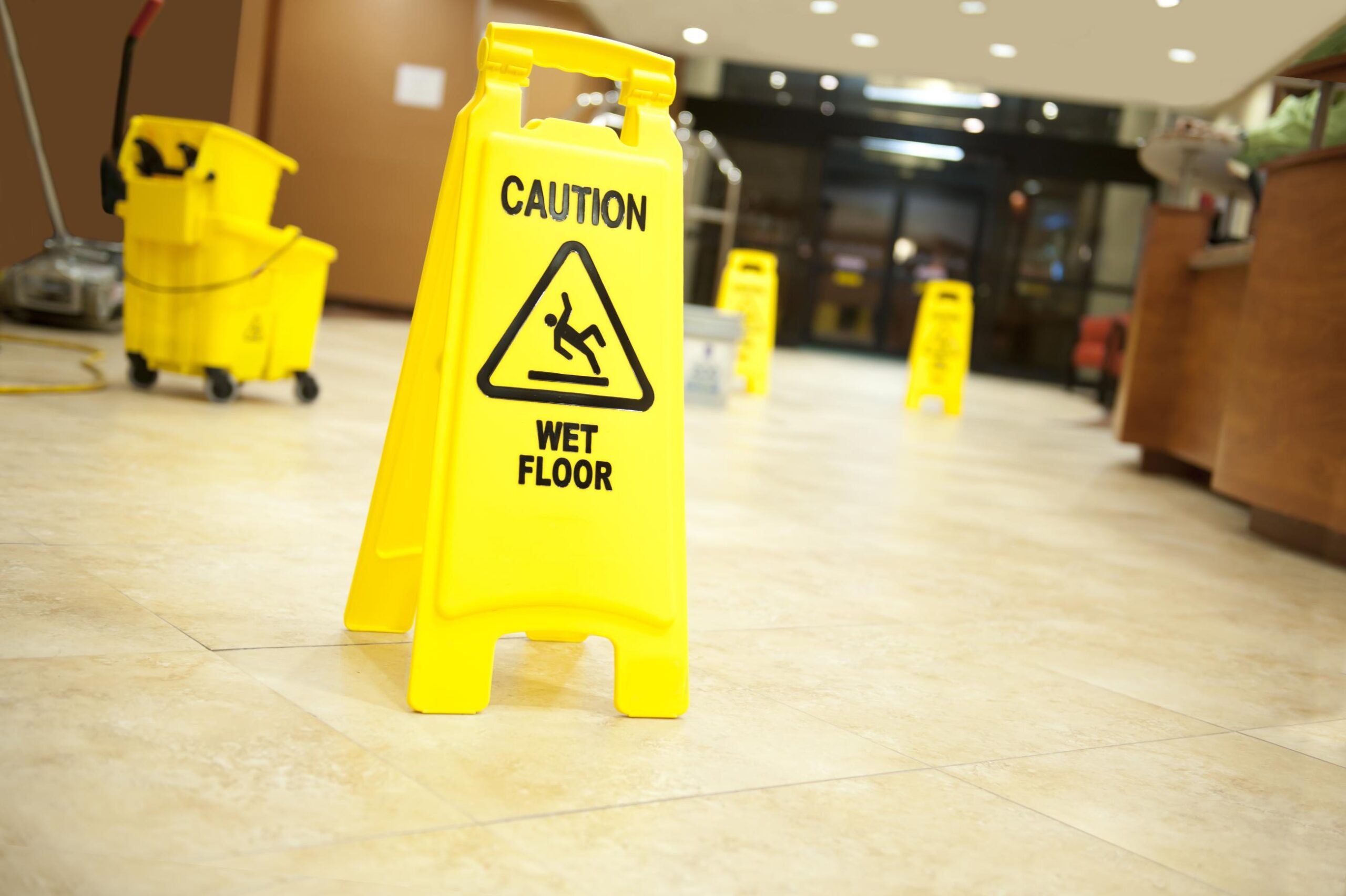
Weather also changes what gets carried indoors. Rain can leave entry flooring wet or marked, while warm, humid conditions can make restroom odor control and moisture management more noticeable. These are operational considerations rather than reasons to over-clean every surface on the same schedule.
How Dirty Common Areas Affect a Multi-Tenant Building
Dirty common areas affect the entire building because tenants and visitors share the same first impression, walking surfaces, touchpoints, and restroom facilities. Even if an individual tenant maintains a spotless suite, overflowing waste bins, marked elevator doors, dirty floors, or poorly stocked restrooms can influence how the overall property is perceived.
In Dickinson commercial properties, common areas may also act as transition zones for people traveling between parking areas and interior offices. Dirt entering from FM 517, Highway 3, Interstate 45, or surrounding local roads can accumulate most noticeably near entrances.
Neglected common spaces may contribute to:
-
Visible dirt and debris at entrances
-
Fingerprints and smudges on glass or stainless steel
-
Unpleasant restroom odors
-
Empty soap, paper towel, or tissue dispensers
-
Stained or sticky flooring
-
Overflowing trash containers
-
Dust buildup along corners, baseboards, or ledges
-
A less consistent experience for tenants and visitors
Warning Signs Your Common Areas Need More Frequent Cleaning
A multi-tenant building may need more frequent cleaning when visible soil, recurring odors, depleted supplies, or repeated complaints return before the next scheduled service. These signs usually indicate that the cleaning frequency no longer matches the number of people using the building or the conditions being tracked indoors.
Watch for these common warning signs:
-
Lobby floors look dirty shortly after peak arrival periods.
-
Elevator buttons or doors show frequent fingerprints and smudges.
-
Trash receptacles fill before their scheduled collection.
-
Restroom supplies regularly run out between service visits.
-
Odors return quickly after restrooms are cleaned.
-
Entry mats remain damp or visibly soiled after wet weather.
-
Tenants begin reporting the same common-area concerns repeatedly.
-
High-touch surfaces visibly collect grime between cleaning visits.
Tracking when these problems appear can help property managers decide whether certain areas need additional daytime attention instead of simply increasing every cleaning task.
When to Call a Professional Cleaning Service
Professional cleaning is appropriate when shared-space upkeep requires consistent scheduling, repeatable standards, commercial equipment, or coverage that building staff cannot reliably provide. Property managers can monitor supply levels and report spills, but recurring cleaning across several tenants and common areas often benefits from a structured commercial cleaning program.
This becomes especially relevant when a Dickinson building has multiple floors, busy restrooms, regular visitor traffic, or common areas that need attention before, during, or after business hours.
A professional service can also help organize different cleaning frequencies. For example, elevator buttons may need attention more often than baseboards, while restroom fixtures may require repeated service even when deeper floor or detail cleaning occurs less frequently.
Common Causes of Dirty Shared Spaces
The most common causes of dirty shared areas are building traffic, outdoor debris, restroom use, high-touch contact, and cleaning schedules that do not match actual occupancy. In Galveston County properties, rain and humid Gulf Coast conditions can add another layer by increasing tracked moisture and making certain restroom or entry problems more noticeable.
1. Frequent foot traffic
Every person entering a building can bring in dirt, dust, moisture, or debris. Entrances and elevator areas generally show this traffic first.
2. High-touch surfaces
Door handles, push plates, elevator controls, railings, counters, and restroom fixtures are touched repeatedly and can quickly develop fingerprints or visible soil.
3. Wet weather
Rain around Dickinson Bayou, League City, Texas City, and the surrounding Gulf Coast area can translate into wet shoes and tracked material at building entrances.
4. Restroom demand
A restroom shared by several tenants can experience dramatically more use than one serving a single office.
5. An inflexible cleaning schedule
A fixed schedule may fail when occupancy changes, new tenants arrive, or a building begins receiving more visitors.
Prevention and Maintenance for Common Areas
The best way to keep shared spaces consistently presentable is to combine routine cleaning with inspections, entrance control, supply monitoring, and periodic deeper service. For Dickinson properties, cleaning plans should also remain flexible enough to respond to rainy periods, heavier visitor traffic, tenant changes, and seasonal building use.
Property managers can help by checking common areas at predictable points during the day. Entry mats should be positioned and maintained appropriately. Restroom dispensers should be monitored before supplies are completely depleted. Spills should be reported promptly rather than waiting until the next routine cleaning visit.
A useful cleaning program can separate tasks into frequencies:
-
Multiple times daily when needed: restroom checks, trash monitoring, spill response, high-touch cleaning.
-
Daily: floors, restroom fixtures, counters, lobby surfaces, elevator interiors, visible glass.
-
Periodic: baseboards, corners, detailed floor care, vents, walls, and other lower-contact surfaces.
The right frequency depends on actual property use.
What Results Should Property Managers Expect?
A well-planned cleaning program should produce consistently maintained common areas rather than spaces that only look clean immediately after a service visit. The goal is to keep lobbies, elevators, and restrooms at an appropriate standard throughout the building’s normal operating cycle.
Property managers should expect clearer accountability, fewer recurring supply problems, more predictable appearance standards, and a cleaning schedule aligned with building traffic.
Results will still vary with occupancy, weather, tenant activity, flooring materials, restroom design, and service frequency. A heavily used property near the Interstate 45 corridor may require different attention than a smaller professional building with limited daily visitors.
Common Cleaning Mistakes in Multi-Tenant Buildings
The biggest cleaning mistakes occur when property managers treat every common area the same, overlook peak traffic periods, or focus only on visible surfaces. A better approach is to identify the consequence of each problem and adjust the cleaning plan around how the building is actually used.
Mistake: Cleaning every area at the same frequency.
Consequence: Busy restrooms may decline between visits while low-traffic spaces receive unnecessary attention.
Better approach: Base frequencies on traffic and use.
Mistake: Waiting for complaints before adjusting service.
Consequence: Tenants experience the problem before management responds.
Better approach: Use routine inspections to spot patterns earlier.
Mistake: Focusing only on floors.
Consequence: Elevator controls, handles, fixtures, dispensers, and other high-contact areas can still look neglected.
Better approach: Include both floor care and touchpoint cleaning.
Mistake: Ignoring weather at the entrance.
Consequence: Rain and tracked debris spread farther into the property.
Better approach: Increase entrance monitoring during wet Gulf Coast conditions.
A Common Dickinson Multi-Tenant Building Scenario
A common Dickinson scenario is a building that looks clean early in the morning but develops noticeable issues in shared spaces as tenants and visitors move through it. By midday, an entry floor may show traffic, elevator doors may collect fingerprints, restroom waste containers may be filling, and supplies may need attention.
This is not a case study of a specific property. It illustrates why one full cleaning visit may not solve every common-area issue in a busy building.
The more effective approach may be to identify the areas that deteriorate fastest and schedule touch-up service or inspections around those times.
Cleaning Solutions for Lobbies, Elevators, and Restrooms
The right cleaning solution combines routine janitorial work with task-specific attention for each shared area. Lobbies need strong floor and entrance care, elevators need detail work on confined high-touch surfaces, and restrooms require cleaning, sanitizing, waste removal, odor management, and reliable supply monitoring.
We can help property managers evaluate common-area cleaning needs and establish a service approach based on the building’s layout, occupancy, and operating schedule.
Comparing In-House and Professional Common-Area Cleaning
In-house cleaning can work for limited daily touch-ups, while professional service is often better suited to consistent building-wide cleaning, scheduled detail work, and recurring multi-tenant needs. The right choice depends on property size, staffing, traffic, cleaning expectations, and how much oversight the building manager wants to handle directly.
An in-house employee may be able to check a restroom dispenser or respond to a small spill. Maintaining multiple restrooms, elevators, entrances, floors, waste stations, and touchpoints on a repeatable schedule is a broader responsibility.
Many properties use a combination of both approaches, with onsite staff reporting immediate concerns and a cleaning provider handling scheduled service.
Service Areas Around Dickinson
Commercial cleaning in Dickinson can support properties that serve tenants and visitors from throughout the surrounding Galveston County area. The city sits between League City, Texas City, Alvin, and Bacliff and is centrally positioned along Interstate 45 between Houston and Galveston.
That regional connectivity makes consistent common-area maintenance especially relevant for buildings with customers, employees, or vendors arriving from several nearby communities.
The Cost of Ignoring Common-Area Cleaning Problems
Ignoring common-area cleaning problems can allow minor appearance and maintenance issues to become recurring frustrations for tenants, visitors, and property management. Delayed floor care, overflowing waste, depleted restroom supplies, or persistent soil can require more corrective attention than maintaining a consistent routine from the beginning.
For multi-tenant buildings, the effect is shared. A problem in the lobby or restroom is not limited to one suite.
The most practical response is to adjust cleaning frequency when patterns become clear rather than waiting for conditions to become severe.
Frequently Asked Questions About Multi-Tenant Building Cleaning
How often should a multi-tenant building in Dickinson be cleaned?
A multi-tenant building in Dickinson should be cleaned according to occupancy, visitor traffic, restroom use, and how quickly shared spaces become soiled. Some common areas may need daily service, while busy restrooms, entrances, and high-touch surfaces may require checks or touch-ups more than once during the operating day.
Which shared area usually needs the most frequent attention?
Restrooms and building entrances often need the most frequent attention because they combine heavy use with highly visible cleanliness issues. Restrooms require supply monitoring and fixture cleaning, while entrances collect dirt and moisture from people arriving throughout the day, particularly during rainy conditions in the Galveston County area.
How should elevators be cleaned in a Dickinson commercial building?
Elevator cleaning should focus on floors, doors, walls, mirrors when present, rails, and frequently touched controls without using methods that could damage the surfaces or equipment. Because elevators are compact shared spaces, fingerprints and visible marks can become noticeable quickly in busy Dickinson office and multi-tenant properties.
Does Gulf Coast weather affect commercial cleaning schedules?
Yes, Gulf Coast weather can affect cleaning schedules because rain, humidity, and outdoor moisture change what employees and visitors track into a building. Dickinson properties may need additional entrance and floor monitoring during wet conditions, while restrooms and other moisture-prone areas may benefit from consistent inspection throughout the year.
Should every tenant floor receive the same cleaning frequency?
No, every tenant floor does not automatically need the same cleaning frequency because traffic and use can vary significantly within one building. A floor with customer-facing offices may receive more visitors than one with limited-access workspaces. Cleaning frequency should reflect actual conditions rather than treating every area identically.
What should property managers check between cleaning visits?
Property managers should check visible floors, entry areas, trash levels, restroom supplies, spills, odors, and frequently touched surfaces between scheduled visits. These quick observations help reveal whether a Dickinson building’s current cleaning schedule is keeping pace with traffic or whether certain common areas need additional attention.
Can better entrance maintenance reduce cleaning inside the building?
Better entrance maintenance can reduce the amount of dirt and moisture carried farther into a property, although it will not eliminate routine interior cleaning. Properly maintained entry areas and mats can be particularly useful for buildings near busy Dickinson corridors where employees and visitors regularly move between parking areas and interior spaces.
When should a Galveston County property manager increase cleaning frequency?
A property manager should consider increasing cleaning frequency when common areas repeatedly become dirty, supplies run out, trash fills, or complaints occur before the next scheduled service. Repeated patterns are usually more informative than a single unusually busy day and can help identify exactly which spaces need additional attention.
Keep Shared Spaces Ready for Everyone Who Uses the Building
A clean multi-tenant property starts with a plan built around the spaces everyone shares. For Dickinson buildings, that means accounting for daily traffic, busy commercial corridors, Gulf Coast conditions, restroom demand, and the different needs of lobbies, elevators, and common facilities.
Keep Your Dickinson Property Clean, Consistent, and Ready for Tenants
We can help you create a commercial cleaning approach that fits the way your property is actually used.