


Open-plan offices make collaboration easier, but they also create cleaning challenges that traditional private-office layouts do not. In Dickinson, TX, shared desks, meeting rooms, booths, and high-traffic common areas can collect dust, fingerprints, food debris, and everyday buildup quickly as employees move throughout the workspace.
Quick answer: Cleaning an open-plan office requires more than vacuuming floors and emptying trash cans. Shared workstations, privacy booths, conference rooms, touchpoints, and communal spaces each need attention based on how employees actually use them. A consistent commercial cleaning plan can help Dickinson businesses maintain a cleaner, more professional workspace without overlooking the areas that receive the most daily contact.
What local businesses should know
-
Shared desks and meeting spaces often need more frequent attention than low-use private offices because multiple employees may use them throughout the day.
-
Dickinson’s warm, humid Gulf Coast climate can contribute to the dirt and moisture tracked into commercial buildings.
-
Businesses near busy routes such as I-45 may also contend with outdoor dust and debris entering through doors and other high-traffic access points.
-
Booths, conference rooms, and collaborative spaces can have less obvious cleaning needs, including upholstery, partitions, chair arms, and equipment touchpoints.
-
A cleaning plan should reflect office occupancy and traffic patterns rather than treating every room exactly the same.
Why Do Open-Plan Offices Require a Different Cleaning Approach?
Open-plan offices require a different cleaning approach because employees share more surfaces, move between more work zones, and use common spaces throughout the day. For Dickinson businesses, that means cleaning priorities should follow actual traffic patterns, from entrances and desk clusters to conference rooms, break areas, and individual work booths.
A traditional office may assign one desk or room to one person. Open layouts often include shared tables, flexible seating, phone booths, collaboration zones, and meeting rooms used by many people.
That changes where buildup occurs. Chair backs, table edges, partition surfaces, door handles, switches, and shared equipment can all require attention.
The Maincor Group serves businesses in Dickinson, and we approach office cleaning with these different use patterns in mind. Our goal is to help businesses establish cleaning routines suited to their actual spaces rather than relying on a one-size-fits-all checklist.
What Do Local Conditions Mean for Office Cleaning?
Local conditions can affect how quickly office floors, entrances, glass, and other surfaces begin to look dirty. Dickinson sits in Galveston County within the humid Gulf Coast region, where frequent heat, humidity, rain, and busy commercial traffic can influence what employees and visitors track indoors.
An office near I-45 may experience different traffic and cleaning demands than a quieter professional space closer to Dickinson Bayou. Rainy periods can mean wet footprints and tracked-in soil. Hot weather can also increase building traffic as employees spend more time inside climate-controlled spaces.
These conditions make entrances particularly important. Entry floors, mats, glass doors, reception areas, and nearby walkways often create a visitor’s first impression of the workplace.
What Are the Biggest Cleaning Challenges in Shared Workspaces?
The biggest cleaning challenges in shared workspaces are high-touch surfaces, inconsistent desk use, hidden debris, and the rapid turnover of meeting areas. In a busy Dickinson office, several employees may use the same room or workstation before the cleaning crew next visits.
Common problem areas include:
-
Fingerprints and smudges on shared tables and glass
-
Dust around monitors and workstation equipment
-
Crumbs or spills around desks
-
Debris beneath rolling chairs
-
Marks on privacy partitions
-
Frequently touched conference-room surfaces
-
Trash left in temporary work areas
Flexible work arrangements can make these problems harder to predict because yesterday’s unused desk may be today’s busiest workstation.
What Warning Signs Show an Office Cleaning Plan Needs Attention?
An office cleaning plan may need adjustment when visible buildup repeatedly appears between services or certain shared areas consistently look less clean than the rest of the workplace. Businesses should watch patterns over time rather than focusing on one isolated spill or unusually busy day.
Warning signs include:
-
Dust collecting along desk edges and partitions
-
Fingerprints repeatedly appearing on glass doors or meeting-room surfaces
-
Crumbs or debris remaining under shared workstations
-
Trash containers filling before the next scheduled service
-
Conference tables looking streaked or visibly marked
-
Entry floors becoming noticeably dirty during wet weather
-
Upholstered chairs or booth seating developing visible spots
-
Break areas requiring attention more often than low-traffic spaces
Repeated problems can indicate that cleaning frequency or task priorities no longer match office usage.
When Should a Business Use Professional Office Cleaning?
Professional office cleaning is appropriate when routine employee tidying is no longer enough to maintain shared work areas consistently. Dickinson businesses can reasonably ask employees to remove personal belongings and clean up immediate spills, but broader recurring cleaning is easier to manage with a defined commercial cleaning schedule.
Professional service can address floors, common surfaces, restrooms, trash, meeting spaces, and other agreed-upon areas without making employees responsible for maintaining the entire workplace.
This distinction matters in open offices because nobody may feel responsible for a shared desk, booth, or conference room. Assigning those areas to a structured cleaning plan helps prevent them from falling between individual responsibilities.
What Common Factors Make Open Offices Harder to Keep Clean?
The most common factors are employee traffic, shared surfaces, food and beverages, flexible seating, and dirt entering from outdoors. Around Dickinson and neighboring Galveston County communities, local weather and commuting patterns can add another layer to those everyday office challenges.
High-use desks naturally need more attention than vacant stations. Conference rooms may look clean until sunlight reveals fingerprints on glass and tables. Break-room traffic can introduce crumbs and spills into nearby work areas.
Weather matters too. Rain can increase tracked-in moisture and soil, while dry periods may make dust more noticeable around entrances and floor edges.
How Can Businesses Prevent Buildup Between Cleanings?
Businesses can prevent unnecessary buildup by combining professional cleaning with simple daily habits and a schedule based on workspace usage. In Dickinson offices, entrance care and prompt spill cleanup can be especially useful during rainy or high-traffic periods.
Employees can help by removing food containers, reporting spills, keeping shared desks uncluttered, and returning meeting rooms to an orderly condition after use.
Management can periodically review which spaces receive the most traffic. If one conference room is booked continuously while another is rarely used, equal cleaning frequencies may not make sense.
DIY upkeep should focus on simple tidying and immediate messes. More extensive recurring cleaning should follow appropriate procedures for the surfaces, equipment, and products involved.
What Results Should Businesses Expect From Consistent Cleaning?
Consistent office cleaning should produce a workplace that looks orderly, receives appropriate attention in high-use areas, and avoids obvious recurring buildup. The realistic goal is not to keep every Dickinson office surface untouched throughout a busy workday, but to maintain a dependable standard and address predictable problem areas.
A well-matched cleaning routine can make reception spaces more presentable, keep meeting rooms ready for use, and reduce the accumulation of debris around workstations.
Results depend on factors such as office size, employee count, visitor traffic, layout, cleaning frequency, and the types of surfaces in the building.
What Office Cleaning Mistakes Cause the Most Problems?
The most common office cleaning mistakes involve treating every space equally, overlooking shared touchpoints, and failing to adjust cleaning routines when occupancy changes. Open-plan businesses should base cleaning priorities on actual use rather than simply moving through every room with the same checklist.
Mistake: Giving an unused office and a busy meeting room equal attention.
Consequence: High-use areas can deteriorate faster between visits.
Better approach: Prioritize spaces according to traffic and use.
Mistake: Focusing only on floors and trash.
Consequence: Desks, partitions, glass, and shared surfaces remain visibly marked.
Better approach: Include appropriate above-floor surfaces in the cleaning scope.
Mistake: Ignoring seasonal entrance conditions.
Consequence: Rain, dirt, and debris can spread farther into the workplace.
Better approach: Monitor entry areas and adjust attention when local conditions change.
What Is a Common Open-Office Cleaning Scenario in Dickinson?
A common local scenario is an office where the main work area appears reasonably clean, but conference rooms, entrances, and shared stations show buildup much faster. This is an illustrative scenario rather than a specific Maincor Group customer case study.
Imagine a workplace near the I-45 corridor with employees arriving throughout the morning. Desks are shared, one conference room stays busy, and employees regularly move between the break area and workstations.
By the end of the day, the busiest zones show the most evidence of use. A cleaning plan based purely on square footage could miss that imbalance. A plan organized around traffic and function is better aligned with how the office operates.
Which Cleaning Services Support an Open-Plan Office?
Commercial office cleaning can support open-plan workplaces by addressing workstations, common areas, meeting rooms, floors, restrooms, and other agreed-upon spaces according to their needs. The right scope for a Dickinson business depends on its layout, occupancy, operating schedule, and priorities.
For offices with desks, booths, and conference rooms, it helps to identify which spaces receive daily use and which need periodic attention. Cleaning frequency can then be discussed around those needs rather than assumed.
How Do Routine Tidying and Professional Cleaning Compare?
Routine employee tidying handles immediate, small messes, while professional cleaning provides a structured approach to recurring office-wide needs. Both can play a role, but relying entirely on employees can leave shared spaces without clear responsibility.
Employees can remove personal trash, deal with minor spills, and keep desks organized. Professional cleaning can address broader recurring tasks according to an agreed scope.
For businesses with substantial employee or visitor traffic, combining the two approaches can create clearer expectations about who handles what.
What Areas Can The Maincor Group Serve Around Dickinson?
Businesses in Dickinson and surrounding Galveston County communities can evaluate commercial cleaning based on their location, facility type, and service needs. Nearby areas include League City, Texas City, Friendswood, and communities around Clear Lake, although specific service availability should be confirmed directly with us.
What Can Happen When Office Cleaning Is Put Off?
Putting off office cleaning can allow dirt, debris, stains, and visible surface buildup to become more noticeable and harder to manage during normal routines. For a busy Dickinson workplace, inconsistent cleaning can also leave reception areas, conference rooms, and shared desks looking less prepared for employees, clients, and visitors.
Delays can be particularly noticeable after periods of heavy foot traffic or wet Gulf Coast weather. Addressing recurring cleaning needs before they become persistent problems is generally easier than repeatedly catching up.
FAQ
How often should an open-plan office in Dickinson be cleaned?
Cleaning frequency should be based on employee count, visitor traffic, office hours, and how heavily shared areas are used. A busy Dickinson office may need more frequent attention in entrances, restrooms, break areas, conference rooms, and shared desks than in low-use rooms. A site-specific assessment can help determine an appropriate schedule.
Why do shared desks need special cleaning attention?
Shared desks need special attention because multiple people may touch the same work surfaces, chair components, and nearby fixtures. They can also accumulate crumbs, dust, fingerprints, and other everyday debris without one employee assuming responsibility. Clear cleaning procedures help ensure flexible workstations are not accidentally overlooked.
Does Dickinson’s climate affect commercial office cleaning?
Yes, local weather can affect how much moisture, soil, and outdoor debris enters a commercial building. Dickinson’s Gulf Coast location means businesses experience warm, humid conditions as well as periods of rain. Entry mats, floors, glass doors, and reception areas may therefore need closer monitoring as conditions and foot traffic change.
What office areas are easiest to overlook?
Privacy booths, chair arms, partitions, table edges, glass, and spaces beneath workstations are among the easiest areas to overlook. In open-plan offices around Galveston County, cleaning plans should account for these less-obvious surfaces along with standard tasks such as floor care, trash removal, and restroom cleaning.
Should meeting rooms be cleaned differently from individual offices?
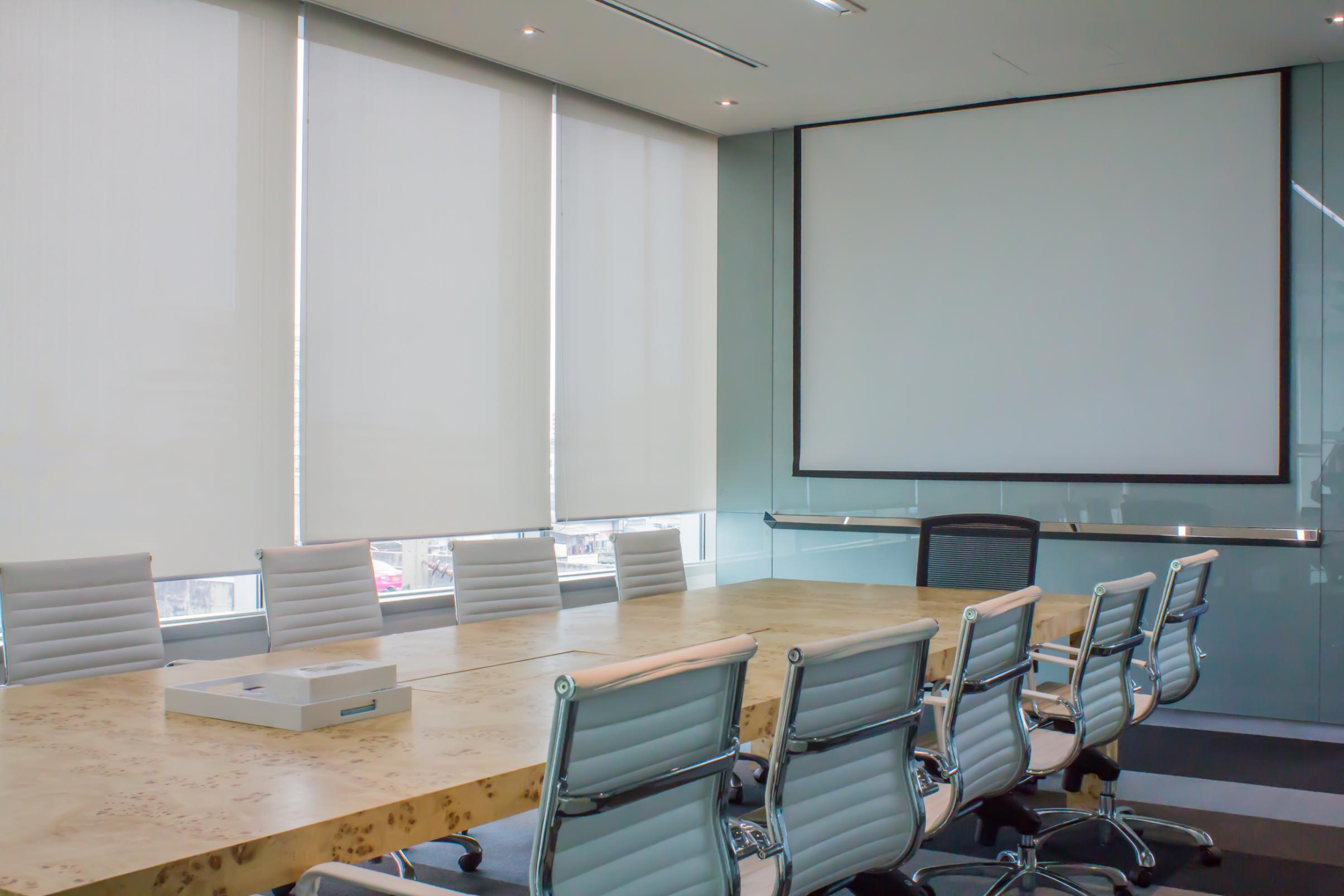
Yes, meeting rooms should be cleaned according to their level and type of use. A conference room used by multiple groups throughout the day may need more attention than a private Dickinson office occupied by one person. Tables, chairs, touchpoints, floors, and visible glass can all show repeated use.
Can employees handle open-office cleaning themselves?
Employees can handle basic tidying, but maintaining an entire office requires broader coordination and consistent responsibility. Staff can remove food, organize their workspaces, and report spills. Professional cleaning can cover recurring shared-area tasks so employees are not expected to manage the facility’s complete cleaning routine.
Why do office entrances get dirty so quickly in Galveston County?
Office entrances receive concentrated foot traffic and are the first place outdoor soil and moisture enter a building. Rainy weather can make this more noticeable for Galveston County businesses. Entry mats and routine floor attention can help limit how far tracked-in debris travels into workstations, meeting rooms, and common areas.
What should a Dickinson business discuss before scheduling office cleaning?
A Dickinson business should discuss its layout, operating hours, employee traffic, priority spaces, existing problem areas, and desired cleaning frequency. It is also useful to identify shared desks, booths, conference rooms, restrooms, break spaces, and entrances so the proposed cleaning scope reflects how the workplace is actually used.
Keep Your Dickinson Office Ready for the Workday
A cleaner open-plan office starts with recognizing that desks, booths, meeting rooms, and common spaces do not all have the same needs. We can help you consider a cleaning approach built around your workplace layout, traffic patterns, and priorities.