


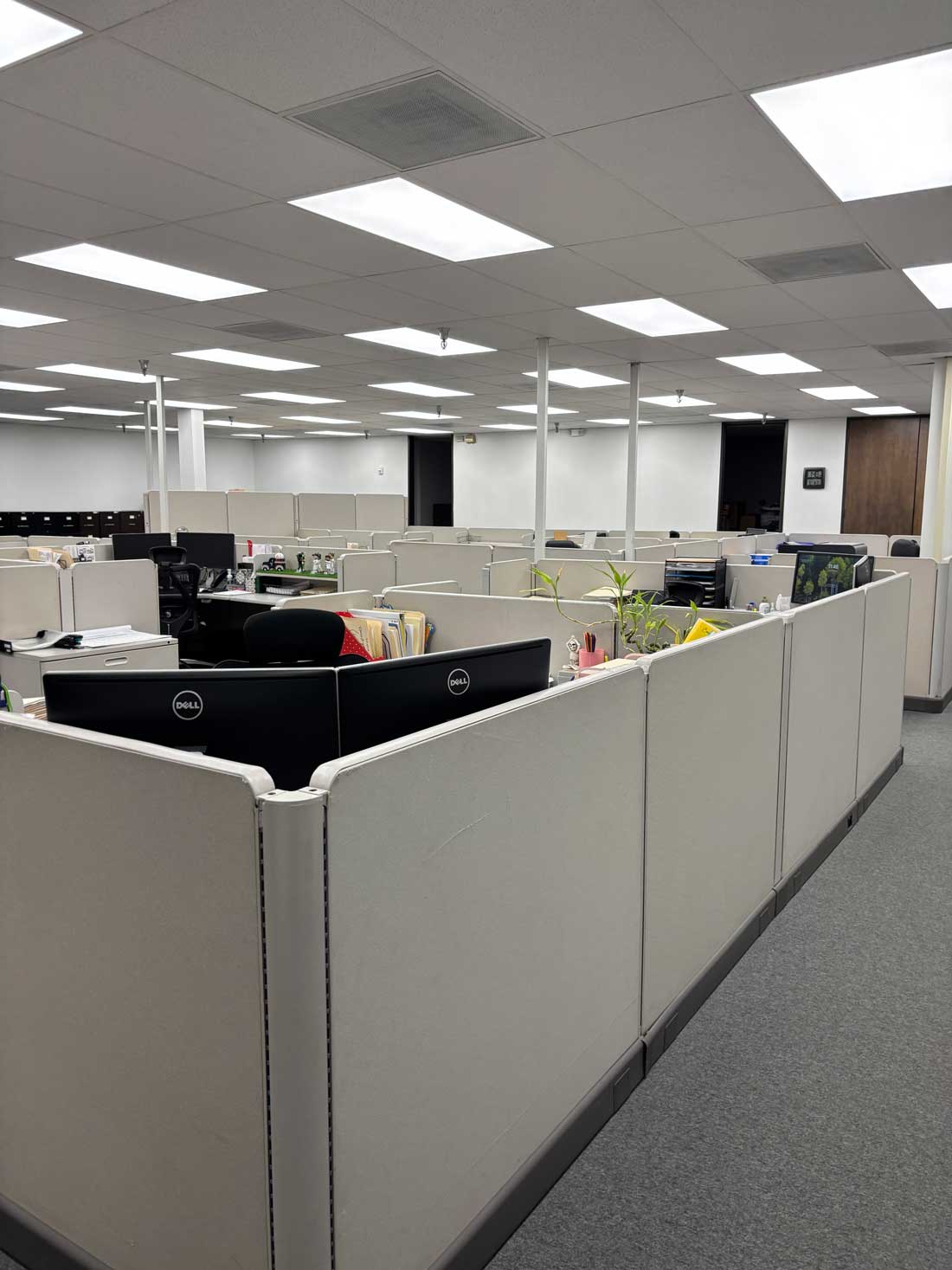
A clean office does more than make a good first impression. It helps create a comfortable, organized environment where employees can focus on their work and visitors feel welcome. For businesses in Houston, TX, maintaining a clean workplace can be particularly challenging due to frequent foot traffic, humidity, seasonal allergens, and the dust that accumulates throughout the year.
So, how often should an office be professionally cleaned? Most offices benefit from daily attention to high-traffic areas, with more thorough cleaning performed weekly or monthly. However, the ideal schedule depends on the size of your workspace, the number of employees, the type of business you operate, and how frequently customers or visitors enter your facility.
For Houston businesses, several factors influence cleaning frequency:
-
High-traffic offices in Downtown Houston and the Energy Corridor may need daily professional cleaning to manage shared spaces and employee activity.
-
Houston’s humid climate can contribute to moisture-related cleaning challenges, particularly in restrooms, entryways, and poorly ventilated areas.
-
Smaller professional offices may only need comprehensive professional cleaning several times per week, depending on occupancy and internal housekeeping practices.
-
Shared kitchens, conference rooms, and frequently touched surfaces generally require more attention than private offices or storage areas.
-
Seasonal weather, including heavy rain and periods of increased pollen, can create additional cleaning needs throughout the year.
Understanding these factors can help business owners and facility managers develop a cleaning schedule that supports employee well-being, maintains a professional appearance, and protects their investment in the property.
How Often Should Different Areas of an Office Be Cleaned?
Different areas of an office require different cleaning frequencies based on how frequently they are used and how quickly dirt, dust, and germs accumulate. Most Houston offices benefit from a combination of daily, weekly, monthly, and periodic deep cleaning services rather than relying on a single cleaning schedule for the entire building.
Daily Office Cleaning
Daily office cleaning is generally recommended for busy workplaces, particularly those with multiple employees, shared facilities, or regular customer visits.
Common daily cleaning tasks include emptying trash receptacles, disinfecting frequently touched surfaces, cleaning restrooms, maintaining breakrooms, and vacuuming or sweeping high-traffic flooring.
Reception areas deserve special attention because they often provide visitors with their first impression of a business. In commercial districts such as Downtown Houston, the Galleria area, and Westchase, offices may experience steady employee and visitor traffic throughout the workday.
Daily cleaning helps prevent debris from accumulating and keeps shared spaces ready for use the following morning.
For larger offices, evening janitorial services may be preferable because cleaning teams can work without interrupting meetings, customer interactions, or regular business operations.
Weekly Office Cleaning
Weekly professional cleaning focuses on surfaces and spaces that do not necessarily require intensive daily attention but still need consistent maintenance.
These tasks may include detailed dusting, cleaning interior glass, wiping office furniture, vacuuming less frequently used rooms, and addressing buildup along baseboards or corners.
Businesses with smaller teams and limited visitor traffic may find that professional cleaning two or three times per week is sufficient, provided employees maintain shared areas between visits.
However, restrooms, food preparation areas, and frequently touched surfaces may still require daily cleaning.
Monthly Office Cleaning
Monthly office cleaning typically involves more detailed maintenance that goes beyond routine janitorial tasks.
This may include cleaning air vents and accessible ventilation grilles, removing dust from hard-to-reach surfaces, detailing furniture, and inspecting areas where dirt or moisture tends to accumulate.
Houston’s warm, humid conditions make it especially useful to monitor areas near entrances, windows, and moisture-prone surfaces.
Monthly cleaning also gives facility managers an opportunity to evaluate whether their existing cleaning schedule is meeting the needs of the building.
Quarterly and Periodic Deep Cleaning
Quarterly deep cleaning addresses accumulated dirt and wear that routine maintenance may not completely eliminate.
Depending on the facility, services may include carpet extraction, machine scrubbing of hard floors, upholstery cleaning, high dusting, and detailed cleaning of neglected areas.
Not every office requires these services every quarter. A smaller administrative office may need them less frequently, while a busy commercial facility may benefit from more regular attention.
The best approach is to evaluate flooring materials, occupancy levels, manufacturer recommendations, and visible signs of wear before scheduling intensive cleaning.
What Factors Determine Your Office Cleaning Schedule?
The ideal office cleaning schedule depends on employee occupancy, building size, visitor traffic, industry requirements, and environmental conditions. Houston businesses should evaluate these factors together to determine which areas need daily service and which can be maintained through less frequent professional cleaning.
One of the most significant factors is the number of people using the workspace. An office with five employees will generally produce less waste and surface contamination than a facility accommodating 100 employees throughout the day.
Building layout also matters. Open-concept offices, shared workstations, and communal breakrooms often require more frequent attention than individual offices with limited traffic.
Businesses that regularly welcome customers, vendors, or contractors should also consider how visitor activity affects reception areas, restrooms, and flooring.
Industry-specific requirements may influence cleaning schedules as well. Medical offices, food-related facilities, and certain regulated workplaces can have sanitation requirements beyond those of a standard administrative office.
Environmental conditions are another consideration.
Houston experiences warm temperatures, frequent humidity, heavy rainfall, and seasonal pollen. These conditions can contribute to tracked-in debris, moisture accumulation, and dust buildup.
For businesses located near major transportation corridors such as Interstate 10, Interstate 45, or the West Loop, surrounding traffic and outdoor conditions may also affect how quickly entryways and interior surfaces become dirty.
At The Maincor Group, we understand that commercial properties have different maintenance priorities. We believe cleaning schedules should reflect how a building actually operates rather than applying the same service frequency to every workplace.
What Are the Signs Your Office Needs More Frequent Professional Cleaning?
An office may need more frequent professional cleaning when dirt, odors, overflowing trash, or visibly neglected surfaces begin appearing between scheduled visits. These warning signs suggest that the existing cleaning frequency may no longer match the building’s occupancy, daily activity, or maintenance requirements.
Some common indicators include:
-
Trash containers regularly fill before the next scheduled cleaning.
-
Restrooms develop unpleasant odors or show visible buildup around sinks, fixtures, and floors.
-
Dust becomes noticeable on desks, shelving, window ledges, or electronic equipment.
-
Carpets and entryway flooring develop recurring stains or visible dirt.
-
Employees frequently report that shared kitchens or breakrooms are not being maintained.
-
Fingerprints and smudges accumulate quickly on glass doors and other frequently touched surfaces.
-
Moisture or musty odors persist in certain rooms, particularly after periods of heavy rainfall.
-
Visitors or employees comment on the overall cleanliness of the workplace.
These issues do not always mean an office needs daily comprehensive cleaning. Sometimes, adjusting specific tasks is enough.
For example, a Houston office with consistently dirty entrance flooring may benefit from additional floor maintenance during rainy periods without increasing the frequency of every other cleaning service.
Similarly, a busy breakroom may need daily attention even when private offices only require cleaning several times per week.
Facility managers should evaluate patterns rather than isolated incidents. When the same issues repeatedly appear before the next scheduled service, it may be time to reconsider the cleaning plan.
Persistent moisture, suspected mold growth, or unusual odors should also prompt an investigation into the underlying cause. Routine janitorial cleaning is not a substitute for repairing leaks or addressing building moisture problems.
How Can Houston Businesses Create an Effective Office Cleaning Schedule?
An effective office cleaning schedule combines routine janitorial services with periodic detailed cleaning based on building usage and maintenance priorities. Houston businesses can develop a practical plan by identifying high-traffic areas, evaluating employee needs, and adjusting cleaning frequency throughout the year.
The first step is to assess the entire workplace.
Reception areas, restrooms, kitchens, conference rooms, hallways, and private offices should be evaluated individually. Each space has different cleaning needs, and treating them all the same can result in unnecessary spending or insufficient maintenance.
Next, determine which tasks require daily attention.
Trash removal, restroom cleaning, and frequently touched surface cleaning are often daily priorities. In offices with limited occupancy, some other tasks may be performed less frequently.
Weekly cleaning can address detailed dusting, interior glass, and areas with lower activity levels.
Monthly and quarterly maintenance can focus on floor care, upholstery, and hard-to-reach surfaces.
Adjusting for Houston’s Seasonal Conditions
Houston’s climate can influence how commercial cleaning schedules change throughout the year.
During spring, pollen and outdoor dust may increase the need for entrance cleaning, floor maintenance, and surface dusting.
Summer humidity makes moisture management particularly important. Restrooms, kitchens, and entryways should be monitored for damp conditions, unpleasant odors, and inadequate ventilation.
Heavy rain and tropical weather can also lead to additional dirt and moisture being tracked indoors.
Businesses in areas such as Midtown, Memorial, and the Texas Medical Center may experience different levels of foot traffic and building activity, but seasonal conditions can affect commercial properties throughout the region.
After significant storms, facility managers should inspect entrances and other vulnerable areas for tracked-in water or debris. Water intrusion affecting building materials may require specialized restoration rather than ordinary cleaning.
Coordinating Cleaning With Business Hours
Professional cleaning should support business operations rather than create unnecessary disruptions.
Many offices prefer after-hours janitorial services because employees can return to a clean workspace without cleaning activities interfering with their work.
Other facilities may benefit from daytime cleaning, especially when restrooms and shared spaces require attention throughout operating hours.
For larger buildings, a combination of daytime maintenance and evening cleaning may provide the most practical solution.
The goal is to create a schedule that keeps the office consistently clean while respecting employee productivity, customer activity, and building access requirements.
Is Daily or Weekly Professional Office Cleaning More Cost-Effective?
Daily professional office cleaning is often more practical for busy workplaces, while weekly or several-times-weekly cleaning may be sufficient for smaller offices with limited activity. The most cost-effective option is the schedule that maintains acceptable cleanliness without requiring unnecessary services or allowing preventable buildup.
Daily cleaning generally involves a greater recurring service commitment. However, it can help maintain restrooms, shared areas, and flooring before dirt and waste become difficult to manage.
Weekly cleaning may reduce routine service expenses, but it also places more responsibility on employees or internal maintenance staff between visits.
If cleaning is performed too infrequently, accumulated dirt may require additional labor or more intensive treatment.
For example, neglecting regular floor maintenance can allow abrasive debris to remain on surfaces, potentially contributing to premature wear.
Similarly, allowing spills to remain on carpets or upholstery can make stain removal more difficult.
The lowest-frequency cleaning schedule is not necessarily the most economical over time.
Businesses should consider the total maintenance needs of their property, including employee time, floor care, supplies, specialized services, and the importance of maintaining a professional environment.
A customized cleaning plan can prioritize essential tasks while scheduling less urgent services at appropriate intervals.
Common Office Cleaning Mistakes to Avoid
One common mistake is assuming that every area of an office requires the same cleaning frequency. This can lead to excessive attention in low-traffic spaces while busy restrooms and breakrooms remain underserved.
Another mistake is waiting until surfaces look visibly dirty before scheduling maintenance. Some contaminants and buildup are not immediately noticeable.
Businesses may also overlook seasonal changes. A schedule that works during a quiet period may be insufficient during peak operations or periods of heavy rainfall.
Finally, relying exclusively on employees to handle cleaning can create inconsistent results and distract staff from their primary responsibilities.
A better approach is to establish clear expectations, identify priority areas, and periodically review the effectiveness of the cleaning schedule.
Frequently Asked Questions About Office Cleaning
How many times per week should an office in Houston be professionally cleaned?
Most busy Houston offices benefit from professional cleaning five days per week, particularly when they have shared restrooms, kitchens, and regular visitor traffic. Smaller offices with fewer employees may only need professional cleaning two or three times weekly, provided essential sanitation and housekeeping tasks are maintained between visits.
Should office restrooms be cleaned every day?
Office restrooms should generally be cleaned and restocked daily when employees or visitors use them regularly. High-traffic restrooms may require attention multiple times throughout the workday. Cleaning frequency should reflect actual usage, visible conditions, and any sanitation requirements applicable to the facility.
How often should Houston offices schedule deep cleaning?
Many Houston offices benefit from evaluating deep cleaning needs every three to six months, although the appropriate frequency varies. Carpet condition, flooring materials, employee traffic, and seasonal weather can influence the schedule. Some facilities need more frequent specialized cleaning, while others can maintain acceptable conditions with less intensive service.
Does Houston’s humidity affect office cleaning frequency?
Houston’s humidity can increase the importance of monitoring moisture-prone areas, including restrooms, kitchens, and building entrances. Damp conditions can contribute to odors and microbial growth when moisture is not properly controlled. Regular cleaning, effective ventilation, and prompt attention to leaks help maintain a healthier indoor environment.
Is professional office cleaning necessary for small businesses?
Professional office cleaning can benefit small businesses even when they have relatively few employees. Routine service helps maintain restrooms, flooring, shared workspaces, and customer-facing areas. The frequency can be adjusted to match occupancy and budget, making professional maintenance practical for offices of different sizes.
How often should office carpets be professionally cleaned?
Office carpets should be professionally cleaned according to their condition, foot traffic, and manufacturer recommendations. Busy Houston offices may need periodic extraction cleaning several times annually, while lower-traffic spaces may require less frequent treatment. Routine vacuuming and prompt stain removal help maintain carpets between deeper cleaning appointments.
Should offices be cleaned before or after business hours?
After-hours cleaning is often preferable for offices that want to minimize interruptions during the workday. However, facilities with heavy daytime traffic may also need cleaning staff available during operating hours. The best arrangement depends on employee schedules, building access, security requirements, and the frequency of restroom and shared-area use.
What is the difference between janitorial cleaning and deep cleaning?
Janitorial cleaning involves recurring tasks such as trash removal, restroom sanitation, vacuuming, mopping, and surface cleaning. Deep cleaning addresses more intensive maintenance needs, including carpet extraction, detailed floor care, upholstery cleaning, and hard-to-reach areas. Most commercial offices benefit from combining both services within a planned maintenance schedule.
Keep Your Houston Office Clean With a Professional Maintenance Plan
A consistent office cleaning schedule helps Houston businesses maintain welcoming workplaces, protect commercial interiors, and reduce the disruption caused by neglected maintenance. Whether your facility needs daily janitorial attention or a combination of routine and periodic cleaning, the right approach should reflect your building’s actual needs.
At The Maincor Group, we understand the importance of dependable facility maintenance and a clean, professional environment. We can help you explore commercial cleaning and facility service options that align with your property’s requirements, operating schedule, and long-term maintenance priorities.
Contact us today to discuss your Houston office cleaning needs and find out how we can help you maintain a cleaner, more organized commercial space.