


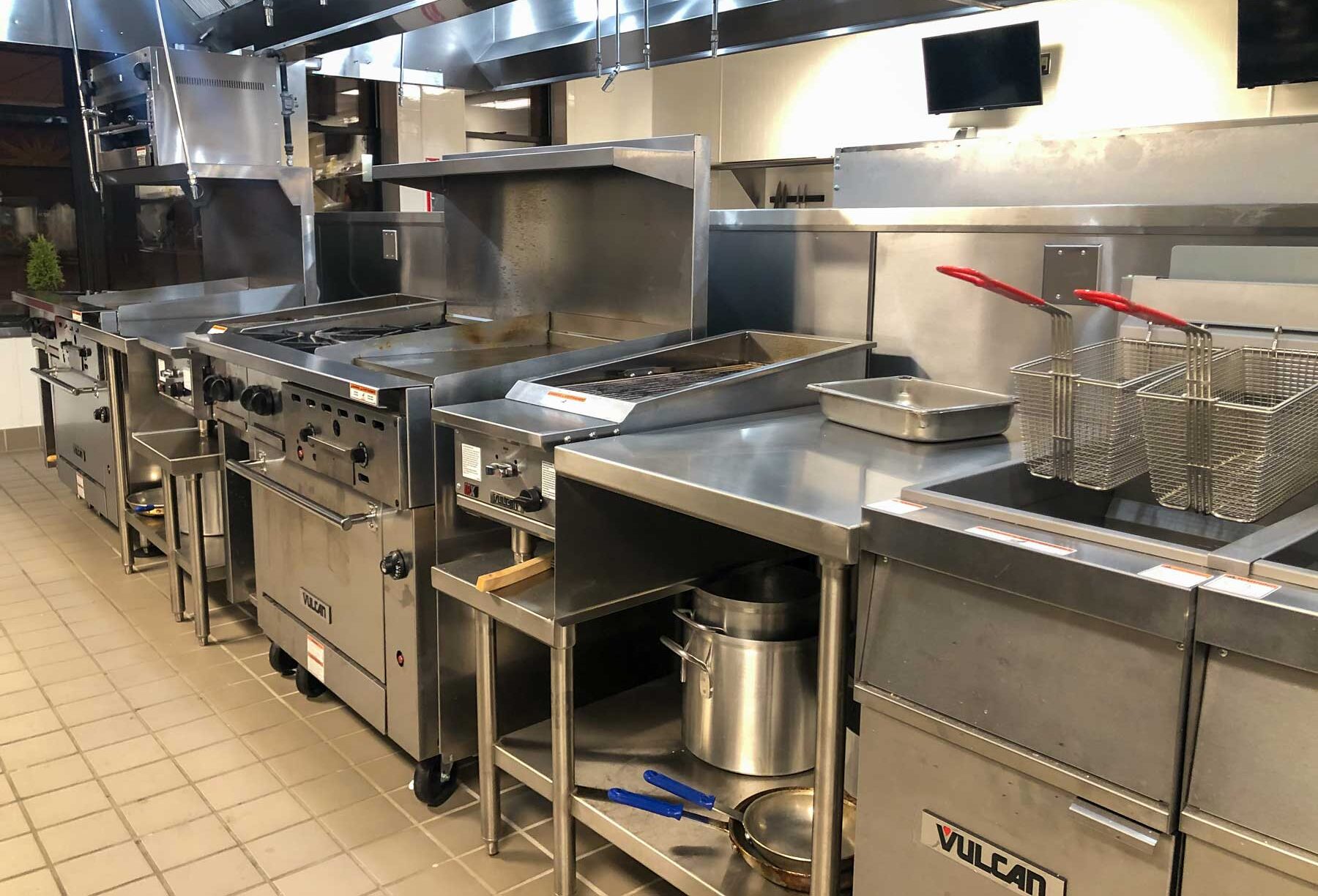
In a busy Houston restaurant, the kitchen can look spotless at closing time while grease, food residue, and moisture remain hidden behind cooking equipment, beneath prep stations, and along hard-to-reach surfaces. Between the heat of a Gulf Coast summer and the demands of daily food service, keeping a commercial kitchen clean requires more than wiping counters and mopping floors.
Real restaurant kitchen cleaning means addressing the grease, grime, and buildup that routine daily cleaning may leave behind. It involves detailed attention to cooking equipment, floors, walls, drains, and other surfaces where contaminants accumulate. For restaurant owners and kitchen managers, understanding the difference between everyday sanitation and professional deep cleaning helps support food safety, workplace conditions, and long-term kitchen maintenance.
What Houston Restaurant Owners Should Know
-
Daily cleaning and scheduled deep cleaning serve different purposes, and most commercial kitchens need both.
-
Houston’s heat and humidity can make moisture control especially important around kitchen floors, drains, and storage areas.
-
High-volume restaurant kitchens in Downtown Houston and Midtown may experience rapid grease accumulation around frequently used cooking equipment.
-
Areas behind fryers, beneath cooking lines, and around ventilation equipment often require more detailed attention than visible work surfaces.
-
A consistent cleaning schedule can help Harris County restaurant operators prepare for inspections and reduce preventable operational disruptions.
For restaurants throughout the Houston area, kitchen cleanliness is not simply about appearance. It affects how safely, efficiently, and consistently the entire operation functions.
At The Maincor Group, we recognize that commercial kitchen cleaning must account for the realities of food service operations. Understanding what thorough cleaning involves is the first step toward building a maintenance plan that fits a restaurant’s equipment, workload, and operating schedule.
What Real Restaurant Kitchen Cleaning Includes
Real restaurant kitchen cleaning includes the detailed removal of grease, food residue, dirt, and other buildup from commercial cooking areas, equipment exteriors, floors, walls, and accessible spaces that routine cleaning may overlook. In Houston restaurants, the exact scope depends on kitchen layout, cooking volume, equipment type, and maintenance history.
A thorough cleaning process typically addresses several areas.
Cooking equipment and surrounding surfaces: Fryers, ranges, griddles, ovens, and adjacent surfaces can collect layers of grease. Cleaning may include accessible equipment exteriors, surrounding walls, and spaces behind or beneath units when equipment can be moved safely.
Floors and floor edges: Commercial kitchen floors experience spills, grease deposits, and heavy foot traffic. Particular attention should go to corners, grout lines, floor-wall transitions, and spaces beneath equipment.
Walls and vertical surfaces: Grease splatter and airborne cooking residue can settle on backsplashes, tile, stainless steel, and nearby wall surfaces.
Drains and moisture-prone areas: Floor drains and surrounding surfaces need appropriate cleaning to help control odors, residue, and sanitation concerns.
Ventilation-adjacent surfaces: Accessible exterior surfaces around kitchen ventilation equipment may need degreasing. Internal exhaust ductwork, fans, and hood systems require specialized procedures and should be handled by appropriately qualified providers.
The objective is not simply to make the kitchen look clean. It is to address accumulated material that can interfere with sanitation, equipment maintenance, and daily operations.
Local Kitchen Cleaning Observations in Houston
Houston restaurant kitchens face cleaning challenges shaped by high humidity, long warm seasons, frequent rain, and demanding commercial operating schedules. These conditions do not automatically make a kitchen unsanitary, but they can increase the importance of moisture management, proper ventilation, and consistent surface cleaning.
The following are practical operational observations rather than findings from a specific restaurant inspection or cleaning project.
Restaurants in Downtown Houston often operate within tightly arranged commercial spaces where equipment access may be limited. Kitchens in Montrose and The Heights may occupy renovated buildings with layouts that require additional planning around fixtures, floor transitions, and older surfaces.
Meanwhile, restaurants in the Galleria area and the Energy Corridor may manage large service volumes, extended operating hours, or multiple food preparation stations.
Across these settings, one challenge remains consistent: areas that are difficult to reach during normal operations can accumulate residue unless they are included in scheduled deep cleaning.
How Kitchen Buildup Affects Restaurant Operations
Kitchen buildup affects restaurant operations by creating additional cleaning demands, increasing slip hazards, complicating sanitation, and potentially contributing to equipment maintenance problems. For Harris County food service businesses, these issues can become particularly disruptive when a kitchen must maintain a demanding lunch, dinner, or late-night service schedule.
Grease deposits on walking surfaces can create slip risks. Food residue trapped around equipment can attract pests when not addressed. Heavy deposits on equipment exteriors can make inspection and maintenance more difficult.
Accumulated combustible grease also deserves special attention near cooking and exhaust equipment. Kitchen exhaust cleaning should follow applicable fire-safety requirements and the appropriate NFPA 96 standards.
The operational impact often extends beyond the cleaning task itself. A neglected area may eventually require longer service interruptions, more extensive degreasing, or additional equipment maintenance.
Warning Signs Your Restaurant Kitchen Needs Deep Cleaning
A Houston restaurant kitchen may need professional deep cleaning when grease, odors, or residue remain after normal closing procedures. The clearest warning signs are usually visible or recurring problems in areas that staff cannot adequately address during routine cleaning.
Watch for these signs:
-
Sticky floors after mopping: Grease may remain embedded in textured flooring, grout, or difficult-to-reach edges.
-
Dark buildup behind cooking equipment: Deposits around fryers, ranges, and preparation stations may indicate missed cleaning areas.
-
Persistent unpleasant odors: Residue around drains, equipment bases, or waste-handling areas may be contributing.
-
Greasy wall surfaces: Cooking residue may be spreading beyond the immediate preparation area.
-
Discolored grout or floor edges: Soil and grease may be collecting in porous or textured surfaces.
-
Residue beneath movable equipment: Debris may be accumulating where routine sweeping and mopping cannot reach.
-
Repeated sanitation concerns: The same areas may continue appearing on internal cleaning checklists despite daily attention.
One warning sign does not necessarily indicate a major problem. Several recurring signs, however, suggest that the cleaning process or schedule deserves review.
When to Call a Professional Kitchen Cleaning Service
A professional kitchen cleaning service becomes appropriate when accumulated grease, difficult equipment access, extensive floor contamination, or persistent sanitation problems exceed what restaurant staff can safely manage. For busy Houston establishments, professional cleaning can also help address detailed maintenance tasks without overloading employees during service hours.
Restaurant teams can generally manage routine wiping, sweeping, approved surface sanitation, and ordinary spill cleanup using appropriate products and procedures.
More intensive work may require professional assistance when it involves heavy degreasing, moving equipment, accessing difficult surfaces, or cleaning large commercial kitchen areas.
Electrical connections, gas lines, hot equipment, and ventilation systems introduce additional hazards. Equipment should never be disconnected or moved without appropriate authorization and safe procedures.
Common Causes of Grease and Grime Buildup
The most common causes of commercial kitchen buildup are high cooking volume, inaccessible equipment spaces, inconsistent cleaning procedures, and inadequate attention to moisture-prone surfaces. In Houston, these conditions can be compounded by long operating hours and the need to maintain comfortable, functional indoor environments.
1. Frequent frying and high-temperature cooking
Cooking oils and airborne grease can settle on nearby surfaces, especially around fryers, griddles, and ranges.
2. Limited access behind equipment
Heavy cooking equipment and closely spaced preparation stations can make certain areas difficult to clean thoroughly.
3. Incomplete closing procedures
A cleaning checklist may focus on visible surfaces while overlooking equipment bases, floor edges, or surrounding walls.
4. Moisture and drainage issues
Gulf Coast humidity, wet cleaning processes, spills, and poorly managed drainage can contribute to persistent dampness.
5. Inconsistent deep cleaning schedules
Even well-managed kitchens can develop buildup when detailed cleaning is repeatedly postponed during busy service periods.
Prevention and Maintenance for Houston Restaurant Kitchens
Preventing kitchen buildup requires a combination of daily sanitation, scheduled detailed cleaning, staff accountability, and periodic inspections of difficult-to-reach areas. Houston restaurant operators should pay particular attention to moisture control during humid weather and grease accumulation during high-volume service periods.
A practical maintenance schedule may include:
-
Daily: Clean and sanitize food-contact surfaces as required, address spills, remove visible grease, and inspect floor conditions.
-
Weekly: Review accessible equipment surroundings, floor edges, walls, and recurring problem areas.
-
Monthly: Evaluate buildup trends, review cleaning records, and identify areas needing more intensive service.
-
Periodically: Schedule professional deep cleaning based on kitchen use, equipment arrangement, and observed conditions.
These are planning examples, not substitutes for manufacturer instructions, local health requirements, or required exhaust-system cleaning intervals.
Staff should use food-service-appropriate products and follow label directions, including required dilution, contact time, and rinsing procedures. Chemicals should never be mixed unless their manufacturers explicitly authorize it.
What to Expect From Professional Restaurant Kitchen Cleaning
Professional restaurant kitchen cleaning should produce visibly cleaner accessible surfaces, reduced accumulated residue, and a clearer understanding of areas that need continued maintenance. Results depend on the initial condition of the kitchen, the agreed scope of work, the surfaces involved, and whether equipment can be safely accessed.
A typical process may include an initial walkthrough, identifying priority areas, protecting sensitive equipment, applying appropriate cleaning methods, removing loosened residue, and inspecting completed work.
Older grease deposits or stained grout may require additional treatment. Some discoloration can remain even after soil has been removed, particularly on worn or damaged materials.
Professional deep cleaning also does not replace daily sanitation, equipment repairs, pest management, or specialized exhaust-system service.
Common Restaurant Kitchen Cleaning Mistakes
Common restaurant kitchen cleaning mistakes include relying entirely on visible cleanliness, using unsuitable chemicals, and postponing detailed work until buildup becomes severe. These practices can create unnecessary maintenance challenges for local restaurant operators.
Mistake: Cleaning only what customers or managers can see.
Consequence: Grease and debris continue accumulating behind equipment.
Better approach: Include hidden and difficult-to-reach areas in scheduled inspections.
Mistake: Using aggressive chemicals on every surface.
Consequence: Certain cleaners may damage finishes, flooring, seals, or equipment components.
Better approach: Match cleaning products and methods to the surface and manufacturer guidance.
Mistake: Assuming a clean floor is always a safe floor.
Consequence: Residual grease or cleaning solution can leave slippery conditions.
Better approach: Inspect floor traction and follow appropriate rinsing and drying procedures.
Mistake: Waiting for a health inspection to identify problems.
Consequence: Corrective cleaning may disrupt normal restaurant operations.
Better approach: Conduct regular internal reviews and address issues as they arise.
A Common Local Restaurant Kitchen Scenario
A common Houston restaurant kitchen scenario involves a busy establishment that completes its nightly cleaning checklist but gradually develops residue behind its fryer line. The floors appear clean from the main walkway, yet grease remains around equipment legs, nearby grout, and inaccessible wall sections.
Over time, staff notice recurring odors and sticky floor edges.
The appropriate response is to inspect the affected areas, determine whether equipment can be safely accessed, and arrange targeted deep cleaning where needed.
Afterward, management can revise the cleaning schedule to address the same locations before buildup returns.
This is an illustrative scenario, not a documented project or customer case study.
Restaurant Kitchen Cleaning Services and Related Solutions
Restaurant kitchen cleaning solutions may include equipment-area degreasing, commercial floor cleaning, wall and backsplash cleaning, and detailed attention to accessible food-service surfaces. The right combination depends on the kitchen’s condition and the tasks included in the service agreement.
For restaurant managers evaluating professional cleaning, it is helpful to ask about equipment access, chemical compatibility, scheduling, and which areas are excluded from the work.
At The Maincor Group, we encourage restaurant operators to evaluate their kitchen cleaning needs around actual operating conditions rather than appearance alone.
Comparing Daily Cleaning and Professional Deep Cleaning
Daily kitchen cleaning handles immediate sanitation and routine maintenance, while professional deep cleaning focuses on more intensive buildup and difficult-to-reach areas. Most commercial kitchens benefit from combining these approaches rather than treating one as a replacement for the other.
| Cleaning approach | Primary purpose | Typical focus |
|---|---|---|
| Daily staff cleaning | Maintain routine sanitation | Counters, food-contact surfaces, spills, accessible floors |
| Scheduled detailed cleaning | Address overlooked areas | Equipment surroundings, floor edges, wall buildup |
| Professional deep cleaning | Remove extensive accumulated residue | Heavy grease, larger floor areas, difficult-access surfaces |
| Specialized exhaust cleaning | Address grease in exhaust systems | Hoods, ducts, fans, and related components within the qualified provider’s scope |
The most effective choice depends on the task, safety requirements, and available resources.
Restaurant Kitchen Cleaning Service Areas Around Houston
Restaurant kitchen cleaning needs extend throughout Houston and nearby communities, including Bellaire, West University Place, Pasadena, and Sugar Land. Restaurants across Harris County and neighboring Fort Bend County may have different layouts and operating demands, but all benefit from cleaning plans built around their equipment and service schedules.
Service availability in any particular community should be confirmed before scheduling.
The Cost of Ignoring Kitchen Cleaning Problems
Ignoring kitchen cleaning problems can lead to more extensive grease accumulation, difficult maintenance, recurring sanitation concerns, and avoidable operational interruptions. For restaurants with narrow maintenance windows, delaying detailed cleaning can make future work more disruptive.
A small area of buildup may be manageable during scheduled downtime. Left unaddressed, that same area may eventually require more intensive cleaning, additional labor, or equipment access.
Proactive maintenance cannot eliminate every kitchen problem, but it can help operators identify and address manageable conditions before they become larger concerns.
Frequently Asked Questions About Restaurant Kitchen Cleaning
How often should a Houston restaurant schedule deep kitchen cleaning?
Houston restaurants should schedule deep kitchen cleaning according to cooking volume, equipment type, observed buildup, and applicable sanitation requirements. A high-volume kitchen may need more frequent detailed attention than a smaller operation. Internal inspections and cleaning records can help management determine an appropriate schedule without relying on a single interval for every kitchen.
What is the difference between kitchen deep cleaning and regular cleaning?
Kitchen deep cleaning targets accumulated residue and areas that routine cleaning may not adequately reach. Regular cleaning addresses daily spills, food-contact sanitation, and accessible surfaces. Both are necessary because deep cleaning does not replace required daily sanitation, and daily cleaning may not remove heavy grease deposits behind commercial equipment.
Does Houston’s humidity affect commercial kitchen cleanliness?
Houston’s humidity can make moisture management particularly important in commercial kitchens. Humidity alone does not establish that a sanitation problem exists, but persistent dampness around floors, drains, and storage areas deserves attention. Proper ventilation, prompt spill cleanup, drainage maintenance, and regular inspections can help operators manage moisture-related conditions.
Can restaurant employees handle all commercial kitchen cleaning?
Restaurant employees can perform many routine cleaning and sanitation tasks when properly trained and equipped. However, heavy grease removal, hazardous equipment access, and specialized exhaust-system work may require qualified professionals. Management should consider employee safety, equipment requirements, and the complexity of the work before assigning intensive cleaning tasks.
What areas are most often missed in restaurant kitchen cleaning?
Frequently overlooked kitchen areas include spaces behind fryers, beneath preparation equipment, along floor edges, around equipment legs, and on hard-to-reach vertical surfaces. In busy Midtown or Downtown restaurant kitchens, limited access and demanding service schedules can make these locations especially challenging to maintain without planned detailed cleaning.
Does professional kitchen cleaning help with Houston health inspections?
Professional kitchen cleaning can support inspection readiness by addressing accumulated residue and improving the condition of areas included in the cleaning scope. However, it does not guarantee a passing inspection. Houston-area food establishments must still comply with applicable food safety requirements, maintain safe food handling practices, and correct any outstanding violations.
Is restaurant hood cleaning the same as kitchen deep cleaning?
Restaurant hood cleaning is not necessarily the same as general kitchen deep cleaning. Exhaust-system cleaning involves specialized work on components such as hoods, ducts, and fans, while general deep cleaning addresses kitchen surfaces and equipment surroundings. Houston restaurant managers should verify that any provider performing exhaust cleaning has the appropriate qualifications.
Can kitchen deep cleaning be scheduled outside restaurant operating hours?
Kitchen deep cleaning can often be planned around restaurant downtime, although scheduling depends on the service provider, equipment access, and work involved. For restaurants in the Galleria area or other busy commercial districts, advance planning can help minimize interference with food preparation, employee movement, and normal customer service.
Keep Your Houston Restaurant Kitchen Ready for the Next Rush
A clean commercial kitchen requires more than a polished countertop and a freshly mopped floor. Consistent sanitation, careful inspections, and scheduled deep cleaning work together to help control grease, maintain safer working conditions, and reduce preventable maintenance challenges.
For local restaurant operators, understanding what happens behind the cooking line makes it easier to prioritize the areas that deserve attention.
Build a Cleaner, Better-Maintained Restaurant Kitchen in Houston
At The Maincor Group, we understand the importance of planning commercial kitchen cleaning around the realities of restaurant operations. Start by discussing your kitchen’s condition, problem areas, and cleaning priorities.